Ten Types of Sensors
A sensor is a device that detects and measures a physical input from its environment. It then converts this input into a signal that can be read and processed by an electronic system. This input …
In the realms of engineering, instrumentation, and modern technology, the words “sensor” and “transducer” are frequently used. People often treat them as though they mean the same thing. However, they actually describe two different concepts. …
A sensor is a device that detects changes in its surroundings. It measures things like temperature, pressure, motion, or light. Then, it converts what it senses into an electrical signal that machines can understand. Sensors …
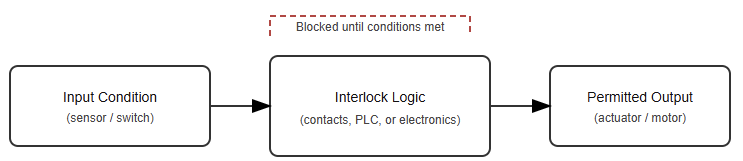
Safety is a top priority in industrial operations. Hazardous incidents can result in serious consequences. These include loss of life, environmental harm, and financial losses. To manage such risks, engineers rely on the concept of …
A Variable Frequency Drive (VFD) is a device that controls the speed of an AC motor. It does this by adjusting the frequency and voltage supplied to the motor. Unlike basic motor controllers that only …
A relay is one of the most essential components in electrical systems. It acts as an electrically operated switch that allows one circuit to control another. A low-power signal can operate a high-power device safely …
A SCADA (Supervisory Control and Data Acquisition) system is a critical industrial control system. It monitors and controls industrial processes in real time. It combines hardware and software components that give operators centralized visibility and …
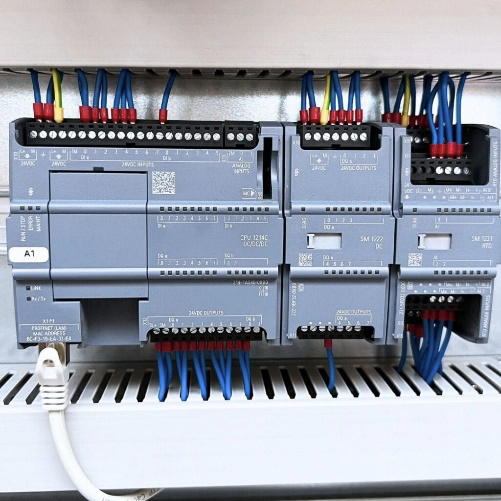
Programmable Logic Controller (PLC) programming is a vital skill in industrial automation. It controls machines and processes across sectors such as manufacturing, automotive, energy, and water treatment. Acting as the “brains” of automation, PLCs ensure …
Programmable Logic Controllers (PLCs) are durable, purpose-built computers. They are designed to automate industrial processes. PLCs are known for their reliability, adaptability, and ability to function under harsh conditions. They were initially developed to replace …
Redundancy in industrial automation refers to the use of backup or standby systems. These systems automatically take control when the main system experiences a fault or failure. This approach ensures continuous operation and prevents expensive …