What Does VFD Mean?
A Variable Frequency Drive (VFD) is a device that controls the speed of an AC motor. It does this by adjusting the frequency and voltage supplied to the motor. Unlike basic motor controllers that only …
A Variable Frequency Drive (VFD) is a device that controls the speed of an AC motor. It does this by adjusting the frequency and voltage supplied to the motor. Unlike basic motor controllers that only …
A relay is one of the most essential components in electrical systems. It acts as an electrically operated switch that allows one circuit to control another. A low-power signal can operate a high-power device safely …
A SCADA (Supervisory Control and Data Acquisition) system is a critical industrial control system. It monitors and controls industrial processes in real time. It combines hardware and software components that give operators centralized visibility and …
Programmable Logic Controller (PLC) programming is a vital skill in industrial automation. It controls machines and processes across sectors such as manufacturing, automotive, energy, and water treatment. Acting as the “brains” of automation, PLCs ensure …
Programmable Logic Controllers (PLCs) are durable, purpose-built computers. They are designed to automate industrial processes. PLCs are known for their reliability, adaptability, and ability to function under harsh conditions. They were initially developed to replace …
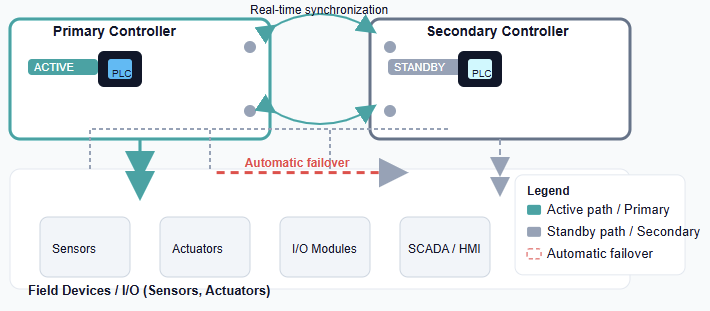
Redundancy in industrial automation refers to the use of backup or standby systems. These systems automatically take control when the main system experiences a fault or failure. This approach ensures continuous operation and prevents expensive …

A Safety Integrity Level (SIL) is a measure that defines how reliable and effective a safety-critical system is. It helps to evaluate how well a system can prevent or control hazards. SIL applies to electrical, …
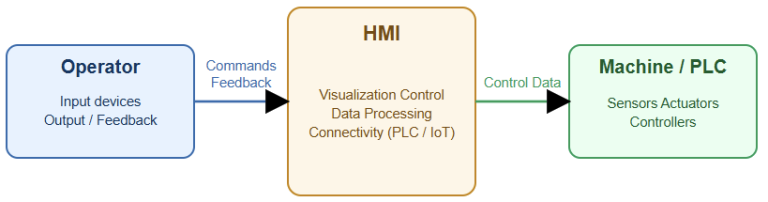
The human-machine interface (HMI), is a key part of modern technology. It acts as a bridge between people and the automated systems they use. HMIs enable smooth communication between humans and machines. They help operators …
The Internet of Things (IoT) is a rapidly growing field. It has changed the landscape of engineering in many significant ways. IoT refers to a vast network of physical devices, often called “things,”. The latter …
Temperature is a basic physical quantity measured and controlled in almost every field. From managing home climate systems to handling complex chemical reactions, temperature sensors play a key role in safety, efficiency, and quality. They …