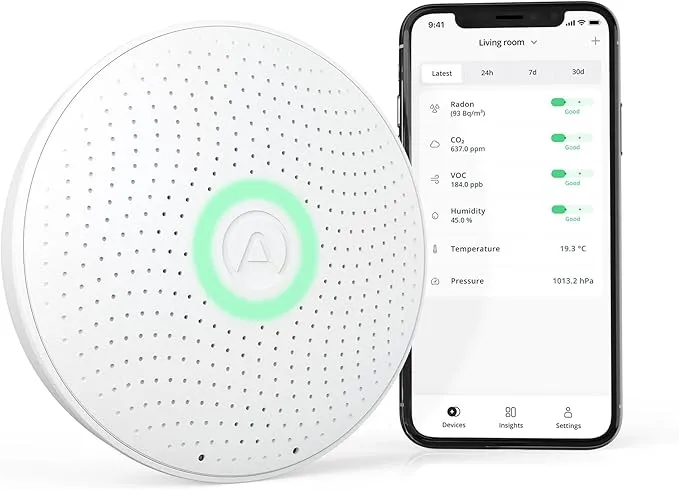
A well-functioning gas detection system is an invaluable part of maintaining safety wherever gas is used.
Gas detection is critical to protecting human life and property in our homes or industrial complexes. In this article, I will discuss general gas detection.
What is gas detection?
Gas detection is the process of identifying hazardous gases in the air and alerting people to their presence.
Gas detectors are used to ensure the safety of people and the environment by detecting combustible, flammable, and toxic gases, as well as low oxygen levels.
What is a gas detector?
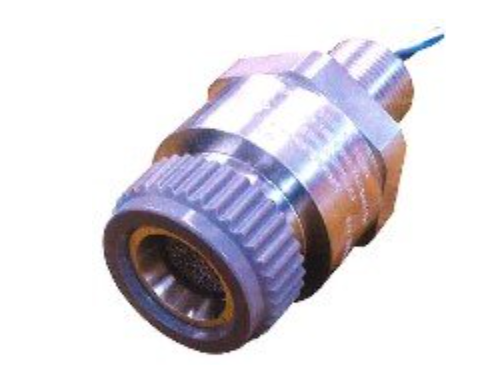
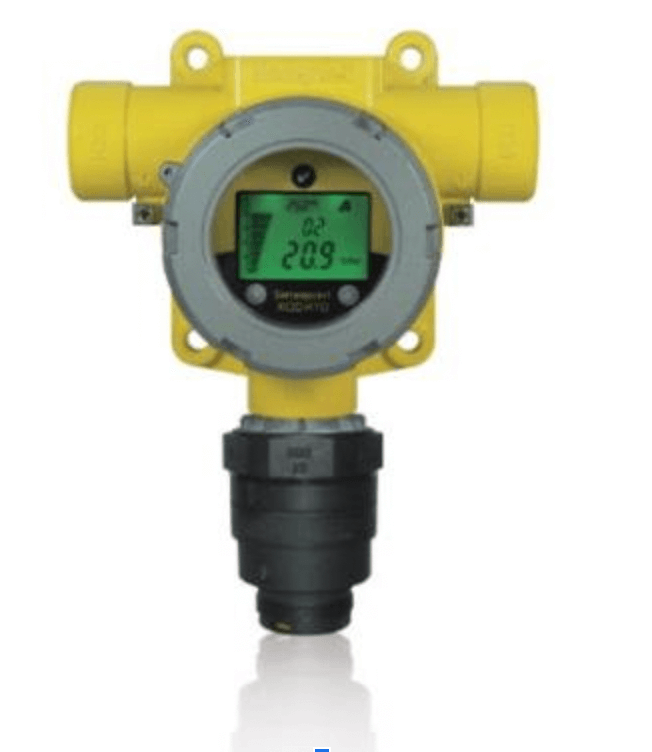
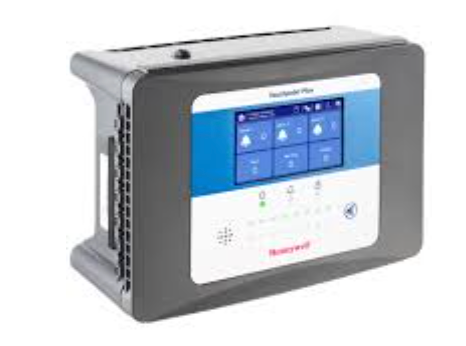
A gas detector is a device that detects the presence of gases in an area, often as part of an industrial safety system.
A gas detector can alarm operators where the leak occurs, allowing them to leave.
Why gas detection is important?
Most commonly used gases, such as natural gas or Liquefied Petroleum Gas are invisible to the naked eye and highly explosive under the “right” circumstances.
To aid in detection, a strong-smelling odorant is added to the otherwise odorless gas. This allows the human nose to act as a gas detector.
Gas Detection is often necessary or desirable for several reasons. Here are four reasons why we need gas detection.
Safeguard life and property
A well-designed gas detection system will provide early warning of hazardous conditions, providing an opportunity for execution and notification for early re-entry for workers.
It will provide the time for intervention and correction and help trigger the facility, water mist, and fire suppression system.
Local fire safety codes and insurability
Most local fire codes and insurance companies will require you to have some gas and fire presentation systems in place to ensure the safety of workers.
Address real and perceived safety concerns
Most plants will emit some gas as a by-product of the production process. For example, the cells will produce hydrogen if you have a battery charging room.
As we know, hydrogen gas is toxic and flammable, so in this case, you will need a detector and controller to help with hydrogen monitoring in the facility.
Required by law
In most countries, some laws obligate manufacturers or certain industries to have a gas detection system in place.
Before installing any system, I recommend contacting a security firm in your local area so that they can assess what type of gas leaks can be found in your facility, and they will be able to recommend what system is suitable for you.
Also, you can call some of the gas monitoring instrument manufacturers and get their expert opinion.
Why you can not Rely on humans for Gas Detection
A properly installed and maintained gas detection system can detect leaks faster and more reliably than the human nose. The sooner you can act, the easier it is to limit the amount of leakage.
- Someone might not always be present when a leak happens. It can happen
overnight.
- Gas can be heavier or lighter than the air in the room. This means that it
will concentrate near the floor or the ceiling, where it may be out of reach
of your nose.
- Whenever necessary, a gas detector can automatically activate a shut-off valve
in the supply line and stop a leak.
Types of gas hazards
Explosive/combustible
These are gases that can combust if ignited in certain mixes of air, the most common combustible gases are Methane, Propane, Propane, Hydrogen, and Ethylene among others, these gases can be detected by the catalytic bead or Infrared sensors.
Toxic
These are gases that can be harmful to human health when we get exposed to them. Examples of these gases are Nitrogen Dioxide, Chlorine, Chlorine Dioxide, Carbon Monoxide etc.
Toxic gases can be detected by electrochemical sensors and paper tape.
Oxygen deficiency
When other gases increase in air, they will displace oxygen and cause Oxygen deficiency. If the Oxygen levels go below 19.5% volume, it can cause dizziness in people and at a lower rate, it might cause loss of memory, judgment, and eventually death.
Here are some gas detection basics
- 1ppm is one part in 1,000,000 parts. Generally, ppm (parts per million) is the lowest unit of measurement 10,000ppm = 1% by Volume
- LEL is the next unit of measurement. It is a percentage of a compound’s explosive %(vol) level.
- 100% LEL is the lowest concentration at which a flammable substance can produce a fire or explosion when ignited.
- UEL (Upper Explosive Limit) is the maximum concentration of gas in air that will burn.
- Each compound (gas) has a different LEL or the point at which the compound will burn or become explosive.
- Most flammable compounds become explosive at less than 5% (vol).
- Each gas has a different LEL and UEL.
- %Gas is the highest unit of measurement, the amount of pure gas.
nderstanding Explosion Limits
A leak with combustible gas can cause a fire or an explosion hazard in case we have an ignition source and the gas/air ratio in the surroundings is somewhere between the Lower Explosion Limit (LEL) and the Upper Explosive Limit (UEL).
If the gas concentration in the air is below the Lower Explosion Limit (LEL), ignition can’t happen.
Similarly, if the gas concentration is “rich”, meaning above the Upper Explosion Limit (UEL), ignition will not be possible unless the mixture is diluted with air.
Only in between the LEL and the UEL do we have a risk of ignition/explosion. Therefore, most gas detectors are calibrated to send an alarm signal a long time before we reach the critical Lower Explosion Limit.
Typically, the alarm level can be set at 20% of LEL. An early warning in due time before reaching the critical gas/air mixture (LEL) allows us to react and stop the leakage or leave the area.
How Do Gas Detection Sensors Work?
Most gas detectors detect oxygen deficiency, toxic gases, and combustible gases. Many technologies are used in the industry.
How does an Oxygen Sensor work?
The Oxygen Sensor is an electrochemical sensor. A fuel-based electrochemical sensor can detect any gas that can be oxidized or reduced electrochemically.
The consumption of oxygen produces a current (µA), which is linearly proportional to the gas concentration in the air.
Since the oxygen sensor is constantly exposed to oxygen, the normal life of the sensor is between 1-2years.
How does the combustible sensor work?
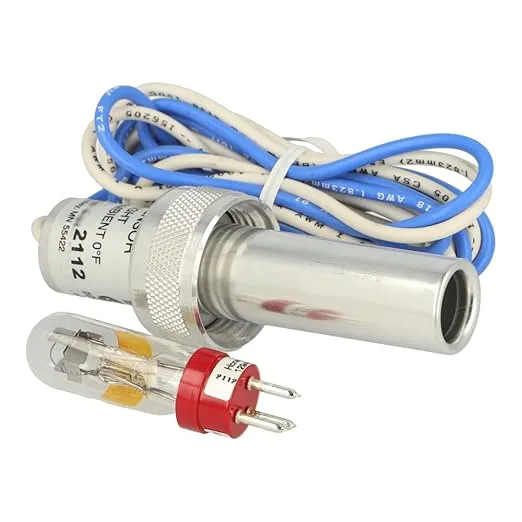
A combustible sensor consists of two coils of fine platinum wire, each embedded in a bead of alumina and connected electrically in a bridge circuit.
One of the beads is impregnated with a special catalyst, which promotes oxidation, and the other is treated to inhibit oxidation.
Current is passed through the coils so that they reach a temperature at which gas oxidation readily occurs at the catalyzed bead (about 500°C).
This raises the temperature further, increasing the resistance of the platinum coil in the catalyzed bead, leading to an imbalance of the bridge.
For most gases, this output change is linear up to and beyond 100% LEL, and response time is only a few seconds to detect alarm levels (typically 20% LEL).
How does the Toxic sensor work?
The Toxic Sensors are also electrochemical sensors operating with the same basic principles as the oxygen sensor.
Electrochemical sensors consume minute amounts of gas, and the absorption of gas and electric output is controlled by a “diffusion barrier.”
How do I know that a gas detector is required?
One good rule to go by is this: If there is a gas flange, coupling, or valve in the room, that room has a potential leak risk and should be fitted with one or more gas detectors.
In general, wherever 2 separate parts connect in a gas system, a gap can appear that lets out a small or large amount of gas.
Basements and rooms with open flames or limited ventilation require special attention!
Wherever the protection of people and properties is crucial, a well-designed gas detection system will increase safety levels and reduce the risk of hazards.
At what height I should mount my gas detector?
The type of gas you use determines the proper placement of your gas detector.
In the event of a gas leak, some gases float upwards while others sink to the floor.
This means that if your gas detector is wrongly placed, it may not be able to register the presence of gas before it has filled most of the room.
Therefore, if your gas is heavier than air (which is the case for LPG, propane, and butane), your gas detector
should be placed close to the floor (1 to 3 feet from the floor) and close to the ceiling (1 to 3 feet from the ceiling) if the gas is lighter than air (Natural gas/methane, hydrogen).
Ammonia is an example of a gas that is lighter than air, but because it absorbs moisture from the air, it eventually becomes heavier and sinks to the floor.
It could be recommended to place detectors both high and low when dealing with this gas, as ammonia is both toxic and explosive.
Propane and Butane are heavy gasses, and they will seek lower areas. Relative density > 1
Methane and Natural gas are light gasses and will stream upwards. Relative density < 1
(Relative density for air = 1)
An oxygen sensor should be mounted on the breathing zone.
What can cause a gas leak to happen?
When a gas leak occurs, it is often due to one of the following:
- Improper installation
- Lack of maintenance
- Worn-out equipment
- A faulty component
- Wrongful choice of sealant
- Human error
Portable gas detector or a fixed gas detector?
A personal or portable gas detector is the ideal safety tool for anyone who works in a hazardous environment.
Portable gas detectors let you check for gas leaks anywhere, and personal gas detectors simply clip onto your clothing and provide you with an instant alert if you find yourself in an area with critical gas concentration.
Fixed Gas Detectors are Ideal for continuously monitoring specific areas or zones within facilities where gas hazards are present.
Domestic or industrial gas detector?
For it to function optimally, the size and type of sensor in your gas detector must fit the space and conditions that it will be used in.
Domestic sensors are usually attractive in terms of price, but they are not designed for the rough conditions of industrial environments.
Industrial sensors are made for these spaces and will provide excellent safety anywhere. When in doubt, we always recommend an industrial-type sensor.
Gas sensors maintenance
Bump Check
A bump test is a functional test of the gas monitor, which ensures that the sensors will respond to their target gas and that the alarms will function.
This is performed by briefly exposing the sensors to their target gas. Bump testing should be performed before each day’s use.
Bump tests check for sensor and alarm functionality but do not measure sensor accuracy and do not make adjustments to the instrument in the way that calibration does.
Calibration
They must be calibrated regularly to keep sensors operating at peak efficiency and accuracy.
Calibration is part of the regular maintenance process, and it ensures that the monitor is reading the correct level of gas.
Portable detectors are exposed to various environments and must be calibrated more frequently than standing sensors.
Proper sensor maintenance is crucial. A contaminated sensor can misread gas levels, resulting in hazardous results.
Final words on gas detection
That is the gas detection overview. This article covered the definition of gas detection, its necessity, and how some of the most common sensors work. Thank you for reading.