What is Hot-Swapping in PLCs?
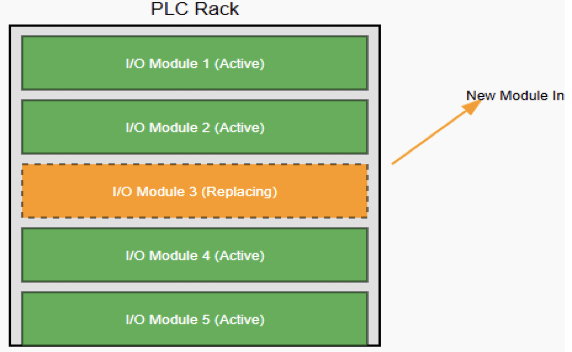
Hot-swapping is the ability to replace or insert components in a system while it is still running and powered. This means there is no need to turn OFF the system or interrupt the process. In …
Programmable Logic Controllers (PLCs) act as the central command system, they collect data from sensors, process control logic, and trigger actions that keep machines and production lines running. From automotive plants to food processing facilities, …
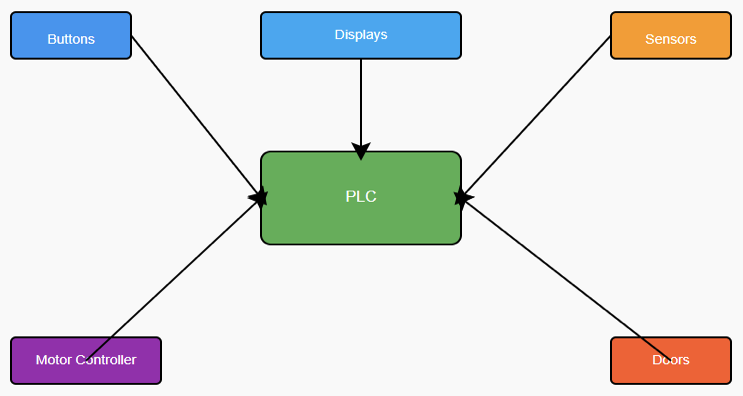
Modern elevators rely heavily on Programmable Logic Controllers (PLCs). A PLC is a digital control device that acts as the main “brain” of the elevator system. It processes signals from buttons, switches, and sensors. It …
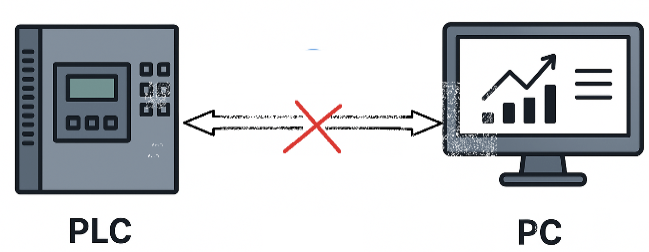
A Programmable Logic Controller (PLC) is one of the most critical components in industrial automation. It serves as the central brain for many machines and systems, constantly processing data and executing commands. However, when a …
In industrial automation, SCADA, HMI, and PLC are fundamental concepts that engineers, technicians, and operators encounter on a daily basis. Even though these three terms are often mentioned together and sometimes mistakenly used interchangeably, they …
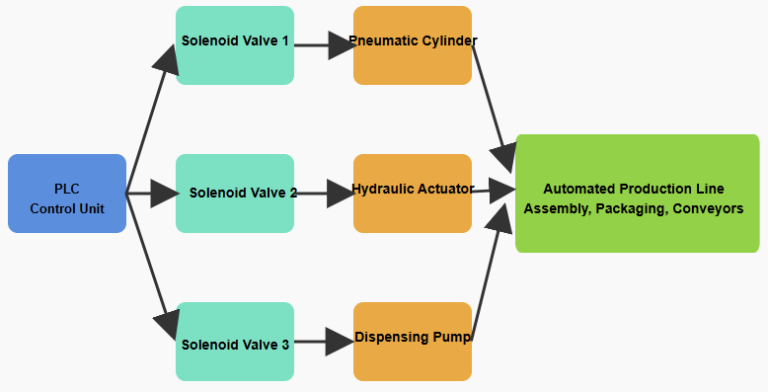
In modern automation, machines rarely operate passively, they need to move, react, and control their environment efficiently. Whether it’s regulating the flow of liquids or gases, an essential component manages this task with precision and …
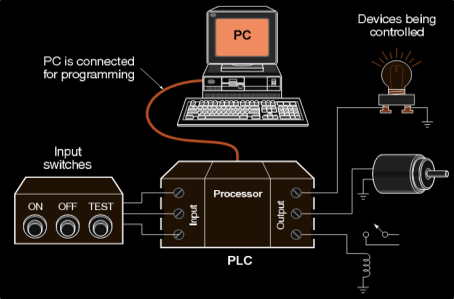
A Programmable Logic Controller (PLC) is a specialized digital industrial computer. It has been designed and ruggedized to reliably handle automation and control tasks in industrial environments where dust, vibration, heat, and electrical noise are …
A Programmable Logic Controller (PLC) is a specialized computer used in industrial applications. It is designed specifically to survive in harsh industrial environments and to control machines and processes reliably. The PLC works as the …
Industrial automation is changing and factories are becoming smarter. They are using more connected devices than ever before. These devices are not only sensors and machines, but also advanced controllers, cameras, and industrial robots. Each …
Traditionally, automation control was achieved using relay logic, which relied on physical relays wired together to make decisions. Today, this job is handled by Programmable Logic Controllers (PLCs). These are specialized industrial computers built for …