If you work in industrial automation, control systems, or technical support, mastering SCADA and instrumentation is not optional. It’s foundational.
Whether you’re troubleshooting a PLC communication issue, commissioning a new system, or designing a process control loop, your depth of knowledge determines how fast and effectively you solve problems.
While online tutorials and vendor documentation are useful, the fastest way to build deep, structured expertise is still through high-quality books written by industry experts.
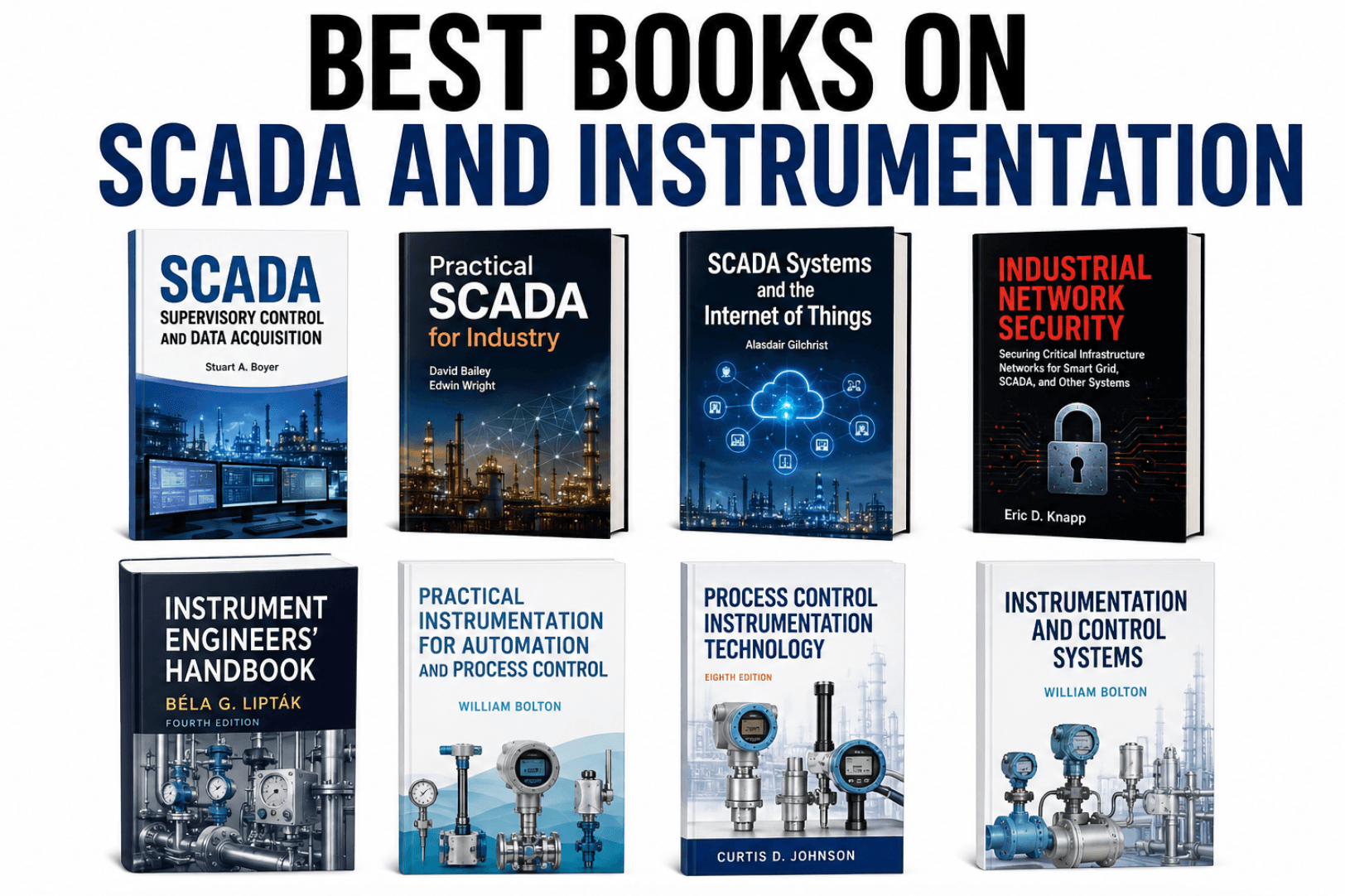
In this guide, you’ll discover the best books on SCADA and instrumentation, carefully selected for real-world relevance, clarity, and long-term value.
Whether you’re just starting out or already working in the field, this list will help you choose the right resources to accelerate your growth.
Why Books Still Matter in SCADA and Instrumentation
Most technicians and engineers today rely heavily on YouTube, forums, and vendor manuals. While those are helpful, they often lack structure. Books provide:
- Systematic learning paths (not random tips)
- Deeper understanding of concepts (not just “how,” but “why”)
- Real-world engineering context
- Long-term reference material
If your goal is to move from “parts replacer” to true problem solver, books are one of the highest-ROI investments you can make.
How to Choose the Right SCADA and Instrumentation Book
Before jumping into recommendations, here’s how to pick the right book for your level and goals:
Skill Level
- Beginner: Look for simplified explanations and minimal math
- Intermediate: Focus on practical applications and system design
- Advanced: Go for deep technical references and standards
Practical vs. Theoretical
If you work in the field, prioritize books with the following.
- Case studies
- Real-world examples
- Troubleshooting scenarios
Vendor-Neutral vs. Vendor-Specific
- Vendor-neutral books = broader understanding
- Vendor-specific = useful for your current job
Relevance to Modern Systems
Look for books that include
- Networking (Ethernet/IP, Modbus TCP, etc.)
- Cybersecurity
- Integration with IoT or cloud systems
Best SCADA Books (Top Picks)
SCADA: Supervisory Control and Data Acquisition by Stuart A. Boyer
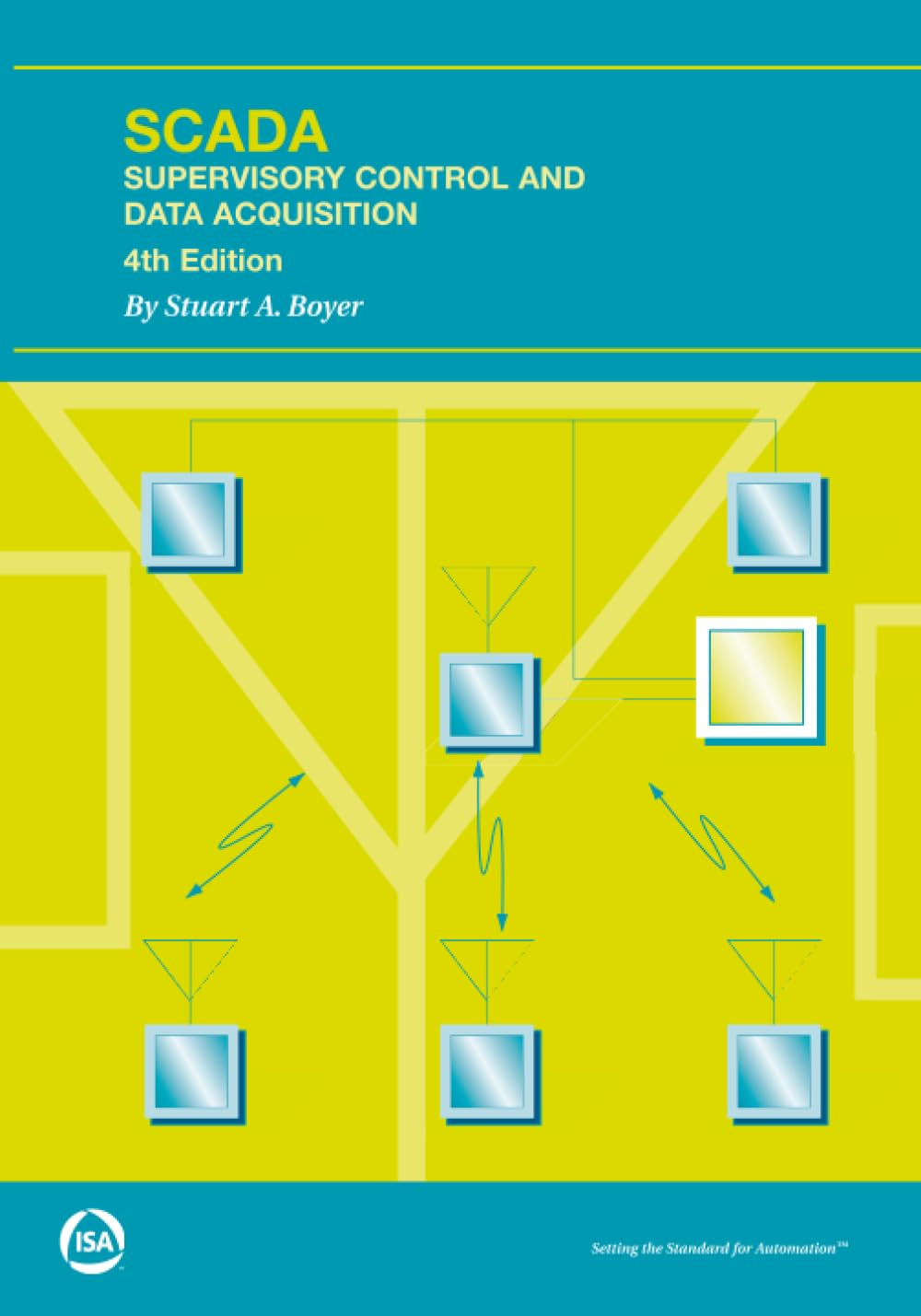
This is one of the most well-known introductory books on SCADA systems.
Why it stands out
- Clear explanation of SCADA architecture
- Covers RTUs, HMIs, and communication systems
- Beginner-friendly without being overly simplistic
Best for
- Beginners transitioning into automation
- Technicians entering SCADA roles
Pros
- Easy to understand
- Strong foundational concepts
- Well-structured
Cons
- Slightly dated in some areas
👉 Check price and availability on Amazon
Practical SCADA for Industry: David Bailey & Edwin Wright
If you want something more hands-on, this book is a strong choice.
Why it stands out
- Focus on industrial applications
- Includes real-world implementation examples
- Covers SCADA networking and architecture
Best for
- Field technicians
- Engineers working with live systems
Pros
- Practical approach
- Industry-focused
- Good balance between theory and application
Cons
- Less beginner-friendly
SCADA Systems and the Internet of Things: Alasdair Gilchrist
A modern take on SCADA, especially relevant in today’s connected environments.
Why it stands out
- Bridges SCADA with IoT
- Covers cybersecurity concerns
- Forward-looking perspective
Best for
- Engineers working with modern systems
- Professionals interested in Industry 4.0
Pros
- Up-to-date concepts
- Strong on integration topics
- Relevant for future trends
Cons
- Not ideal for beginners
👉 See latest edition on Amazon
Industrial Network Security: Eric D. Knapp
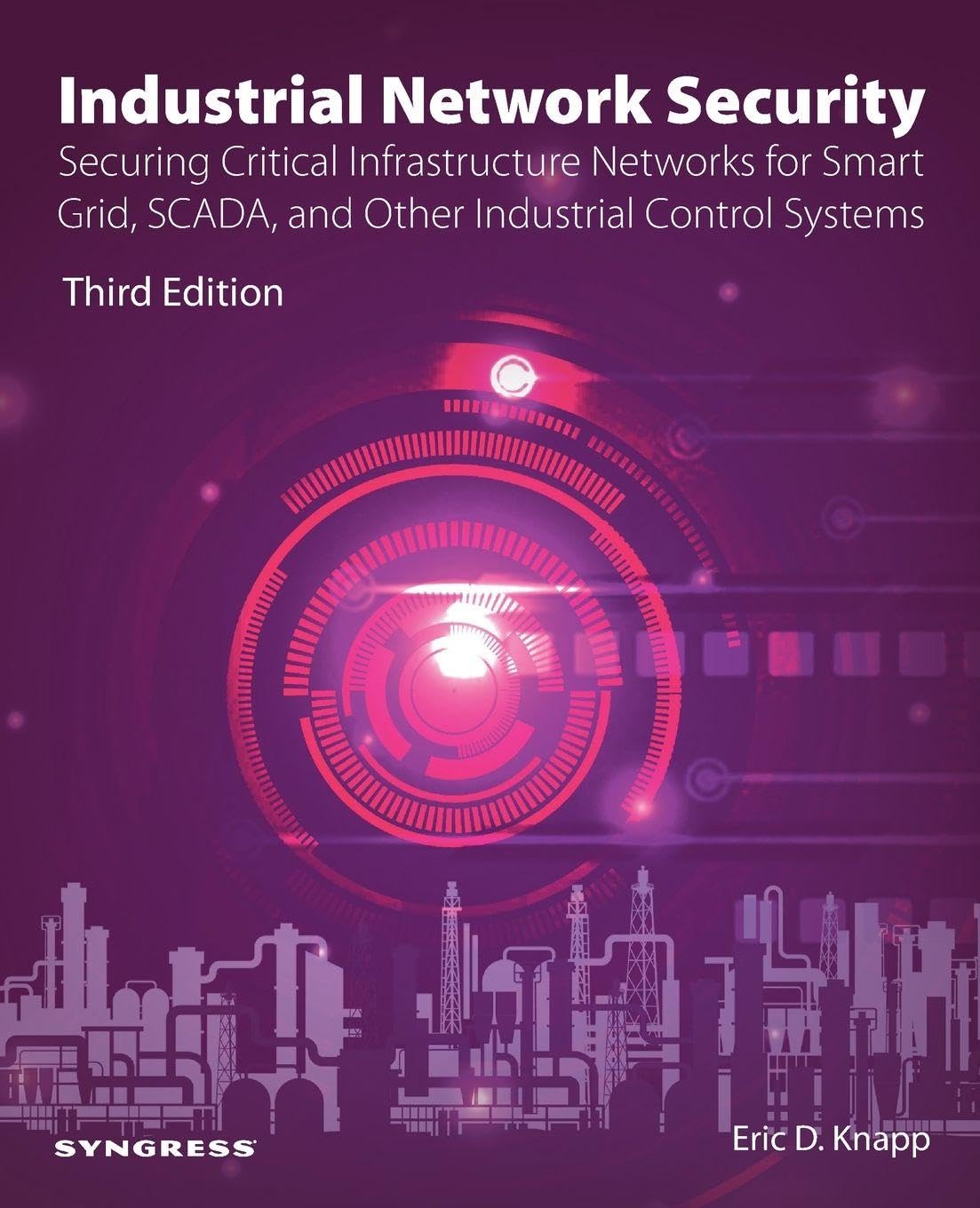
SCADA without cybersecurity knowledge is a risk.
Why it stands out
- Deep dive into industrial cybersecurity
- Real-world attack scenarios
- Focus on protecting control systems
Best for
- Advanced engineers
- OT cybersecurity professionals
Pros
- Highly relevant today
- Practical security insights
- Real-world case studies
Cons
- Advanced-level material
Best Instrumentation Books (Top Picks)
Instrument Engineers’ Handbook: Béla G. Lipták
This is often referred to as the “bible” of instrumentation.
Why it stands out
- Extremely comprehensive
- Covers everything from sensors to control systems
- Used by professionals worldwide
Best for
- Experienced engineers
- Deep technical reference
Pros
- Authoritative
- Detailed
- Long-term reference
Cons
- Expensive
- Not beginner-friendly
👉 Check latest volumes and pricing
Practical Instrumentation for Automation and Process Control: William Bolton
One of the best entry points into instrumentation.
Why it stands out
- Simple explanations
- Practical focus
- Easy to follow
Best for
- Beginners
- Students
Pros
- Clear and accessible
- Good foundation builder
- Well-structured
Cons
- Limited depth for advanced users
👉 View current price on Amazon
Process Control Instrumentation Technology: Curtis D. Johnson
A strong academic + practical hybrid.
Why it stands out
- Covers control loops, sensors, transmitters
- Strong on process control fundamentals
Best for
- Engineering students
- Intermediate learners
Pros
- Balanced content
- Widely used textbook
- Solid technical depth
Cons
- Some sections are theory-heavy.
Instrumentation and Control Systems: William Bolton
Another excellent book for building foundational knowledge.
Why it stands out
- Covers instrumentation + control systems together
- Great progression from basics to intermediate
Best for
- Early-career professionals
- Technicians transitioning to engineering roles
Pros
- Easy progression
- Clear explanations
- Good diagrams
Cons
- Not highly specialized
Best Books for Learning SCADA and Instrumentation Together
In real-world automation jobs, SCADA and instrumentation are not separate. They are deeply interconnected.
A good engineer understands the following.
- How sensors feed data
- How control loops process signals
- How SCADA visualizes and manages systems
Books that combine these perspectives help you.
- Troubleshoot faster
- Understand entire systems (not just parts)
- Add more value in your role
SCADA and Instrumentation Books for Beginners
If you’re starting from scratch, here’s the smartest path.
Step 1: Learn Instrumentation Basics
Start with:
Step 2: Understand Control Systems
Move to:
Step 3: Learn SCADA Fundamentals
Then:
This sequence builds a solid foundation before complexity.
Advanced Books for Engineers and Specialists
Once you have real-world experience, move into the following.
- System architecture design
- Network integration
- Cybersecurity
- Optimization
Recommended:
- Industrial Network Security
- Advanced sections of Instrument Engineers’ Handbook
At this level, books become reference tools, not just learning materials.
Free Resources vs. Paid Books
Free Resources
Pros
- Accessible
- Up-to-date
- Great for quick fixes
Cons
- Fragmented
- Often shallow
- No structured learning
Paid Books
Pros
- Structured learning
- Deep understanding
- Long-term value
Cons
- Upfront cost
Verdict
If you’re serious about your career, books pay for themselves many times over.
How to Use These Books to Build Real-World Skills
Reading alone is not enough. Here’s how to turn knowledge into skill:
Combine Reading with Practice
- Use simulators
- Work with PLC software
- Analyze real systems
Take Notes Actively
- Summarize key concepts
- Write your own explanations
Apply to Your Job
- Relate concepts to real problems
- Practice troubleshooting
Teach What You Learn
- Write blog posts
- Explain to colleagues
- Create content
This is how you move from knowledge → mastery.
Recommended Learning Path (Step-by-Step)
- Learn sensors and instrumentation basics
- Understand process control loops
- Study SCADA architecture
- Learn industrial networking
- Add cybersecurity knowledge
- Apply everything in real systems
Follow this path, and you’ll become extremely valuable in the field.
Common Mistakes When Learning SCADA and Instrumentation
Focusing Only on Theory
You must practice.
Ignoring Networking
Modern SCADA = networking-heavy.
Not Troubleshooting Enough
Experience comes from solving problems.
Over-Relying on One Vendor
Learn principles, not just tools.
Quick Comparison Table
| Book | Level | Best For |
|---|---|---|
| SCADA: Boyer | Beginner | Foundations |
| Practical SCADA | Intermediate | Real-world systems |
| SCADA + IoT | Advanced | Modern integration |
| Lipták Handbook | Advanced | Deep reference |
| Bolton (Practical) | Beginner | Instrumentation basics |
| Johnson | Intermediate | Process control |
Final Thoughts: Which Book Should You Start With?
If you’re unsure, here’s a quick recommendation:
- Beginner: Start with William Bolton’s instrumentation book
- Intermediate: Move to Practical SCADA for Industry
- Advanced: Invest in Lipták + Industrial Network Security
Ready to Level Up Your Automation Skills?
The difference between average technicians and high-value engineers is simple:
They invest in their knowledge.
If you’re serious about growing in industrial automation, pick one book from this list and start today.
👉 Check the latest prices and reviews using the links above
👉 Choose the book that matches your level
👉 Commit to finishing it
Your future self (and your career) will thank you.
FAQs
What is the best book to learn SCADA?
SCADA: Supervisory Control and Data Acquisition by Stuart Boyer is one of the best starting points.
Can I learn SCADA without PLC knowledge?
You can start, but understanding PLCs is essential for mastery.
Which book is best for instrumentation beginners?
Practical Instrumentation for Automation and Process Control by William Bolton is highly recommended.
Are SCADA books still relevant in 2026?
Yes, especially when combined with modern topics like networking and cybersecurity.
Pro Tip for Control Circuitry Readers
Combine these books with hands-on practice and real troubleshooting, and you’ll outperform 90% of professionals in this field.
